Johannesburg’s work connecting informal homes to renewable power
2026
Johannesburg is pioneering a new approach to electrifying its shantytowns using renewable energy.
Faced with the explosive growth of informal settlements (180,000 households), the city has rolled out hybrid solutions: extensions to the electricity grid and solar microgrids to eliminate illegal connections (responsible for 13 per cent of electricity losses and deaths by electrocution).
In Setjwetla, a solar system combined with gas cookers has helped to ensure safe access to electricity, reduce fires caused by dangerous appliances and limit financial losses. This represents a social and technical breakthrough for the most vulnerable communities.
A case study taken from the report: How cities are tackling fossil fuels (see the linked sheet)
The City of Johannesburg has experienced a rapid growth of informal settlements, currently estimated to contain 180,000 households, resulting in backlogs in the distribution of basic services such as electricity, water, and refuse removal.
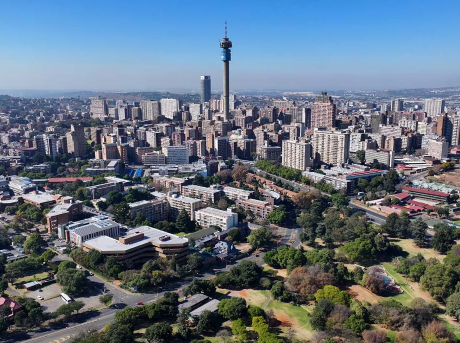
Households in these settlements are primarily connected via illegal and often rudimentary means, accounting for 13% of power losses in the City and frequent fatalities.
Johannesburg has been increasing energy access for households in informal settlements, deploying a combination of grid extensions and the installation of micro-grids powered by renewable energy.
In 2018, Johannesburg reported that 12,850 homes in informal settlements had been electrified, of which 1,600 were in the Setjwetla informal settlement. The electrification of Setjwetla demonstrated the successful use of a solar-powered grid-enhancing PV system and gas stoves to eliminate illegal connections (and frequent fatal electrocutions), ensure consistent power supply, and prevent revenue loss from illegal connections. This also significantly reduced devastating fires caused by the use of hazardous cooking and heating appliances.
Building Resilient and Renewable Infrastructure
Cities can future-proof their infrastructure by ensuring it is resilient, renewable, and aligned with long-term economic goals. This includes energy extraction sites, refineries, power plants, and distribution networks. To drive this shift, cities can repurpose local infrastructure to support renewable energy, fostering green jobs and new industries. For example, Yokohama’s port authority partnered with a utility company to create a green energy hub, using battery tankers to transport offshore wind energy to coastal centers.
Controlling permits for unsafe energy infrastructure is another critical step. New York’s Executive Order 52, for instance, halted the expansion of fossil-fuel-related projects, while Peruíbe, Brazil, blocked a methane gas plant through local legislation. Just transition strategies are equally vital: Seattle’s Maritime and Industrial Strategy, developed with unions and communities, aims to protect industrial land and create 35,000 green jobs. Spain’s Just Transition Agreements offer a collaborative model for mitigating the socioeconomic impacts of coal and nuclear phase-outs.
Finally, cities can advocate for broader economic transformation. Sydney, for instance, endorsed the Fossil Fuel Treaty, urging national and regional governments to end fossil fuel expansion and phase out production equitably.
Sources
Extract from pages 20 to 21 of the document: How cities take action on fossil fuels
To go further
C40 Cities : www.c40.org/